CHINO 2045 — FROM GROWTH TO GREATNESS
Local elections shape our neighborhood streets, parks, public safety, and tax dollars every single day. Explore this non-partisan framework to evaluate municipal leadership and see how M S Alam’s stated platform addresses District 3’s real, everyday needs.
From Growth to 2045: The Numbers
Official population and development projections for Chino. These figures are City and Census data—not campaign claims.
77,983
2010 Census
91,403
2020 Census
96,957
2025 Census Estimate
112,161
2045 City General Plan Projection
+9,786
Housing Units
+9,023
Jobs
+3.6 Million
Sq. Ft. Nonresidential Development
5,609
Housing Units in The Preserve
Sources: U.S. Census Bureau QuickFacts; City of Chino 2045 General Plan Final PEIR. The 2045 population figure is a City planning projection.
How I Would Approach the Growth as a Council Member
M S Alam’s stated approach to managing Chino’s projected growth—separate from the City and Census figures above.
Traffic & Mobility
Use traffic and safety data to identify needs; prioritize intersection, signal, roadway and multimodal improvements; coordinate with regional transportation partners.
Infrastructure
Match development with infrastructure capacity; prioritize roads, utilities and public facilities; pursue eligible state, federal and regional funding.
Public Safety
Review police, fire, EMS and traffic-safety needs as population grows; apply a Safe System approach to roadway safety; track safety outcomes.
Responsible Growth & Housing
Evaluate development together with traffic, infrastructure, public services and neighborhood impacts; monitor implementation of the Chino 2045 General Plan.
Parks & Community Services
Consider population growth when planning parks, trails, recreation facilities and community services; track service needs as neighborhoods develop.
Jobs & Economic Development
Support business attraction and retention, efficient City processes and economic opportunities while considering fiscal and infrastructure effects.
Fiscal Sustainability
Evaluate lifecycle costs; identify available funding; monitor budgets, schedules and results; report measurable outcomes.
Plan · Fund · Build · Maintain · Measure
Plan
Identify needs and priorities before problems become more costly.
Fund
Match priorities with sustainable local and eligible outside funding.
Build
Deliver needed infrastructure and public improvements.
Maintain
Protect public investments through ongoing maintenance.
Measure
Track safety, mobility, infrastructure, services and fiscal results.
Plan it well | Fund it well | Build it well | Maintain it well | Measure the results
How We Fund the Vision
Chino's needs cannot be addressed by one revenue source. Identify the project first, determine which funding sources are legally eligible, combine compatible sources when appropriate, and publicly track delivery and results.
Core principle: use local dollars strategically to leverage developer, regional, state, and federal resources — while respecting the legal restrictions attached to each funding source.
How Municipal Funding Works
A city budget is not one unrestricted bank account. Some funds are flexible; others are restricted by purpose, geography, or eligible cost. Strategy starts with the need and project scope — not a preferred funding source.
Community Need → Define Project → Establish Eligibility → Identify Local Match → Combine Compatible Funding → Council Authorization → Delivery → Audit / Reporting → Measure Results
General Fund
Core operations and Council priorities — police, parks, planning, maintenance. Greater flexibility than restricted funds; ongoing commitments need sustainable recurring revenue.
Measure V
Local 1% sales tax approved by voters in 2024. Supports essential services and eligible capital priorities such as public safety, streets, parks, and facilities.
Measure I / SBCTA
County half-cent transportation sales tax for transportation purposes — arterial and local street capital improvements plus eligible public-works maintenance.
Development Impact Fees
Growth pays a proportionate share of growth-related infrastructure. Fees must follow nexus rules; they are not general-purpose revenue.
State & Federal Grants
Competitive and formula programs for transportation, safety, planning, and infrastructure. Eligibility, matches, and cycles change — verify each round.
Regional Partnerships
Joint projects, allocations, and cost sharing with neighboring cities, counties, Caltrans, and SBCTA — especially for cross-boundary benefits.
Developer-Built Improvements
Direct delivery or contribution tied to development impacts and approvals — roads, utilities, drainage, signals, and frontage where legally supported.
Traffic Safety & Mobility
Measure I; eligible state/federal grants; local match; Measure V where eligible; developer contributions where legally connected.
Street Rehabilitation & Signals
Measure I; state transportation programs; Measure V where eligible; General Fund/CIP; grants.
Police / Emergency Services
General Fund; Measure V; eligible grants; county/state/federal assistance when available.
Parks & Community Facilities
Measure V; General Fund/CIP; park/development fees where legally eligible; grants and partnerships.
Drainage / Growth Infrastructure
Applicable DIFs; developer improvements; enterprise/special funds; grants; local capital funds when eligible.
Walking, Bicycling & ADA
Eligible Measure I/state programs; Caltrans/CTC competitive programs; federal safety/transportation programs; local match.
Regional Corridors
City funds plus SBCTA, Caltrans, neighboring jurisdictions, and competitive state/federal funds — depending on ownership, eligibility, and project scope.
District 3: A Regional Funding Approach
District 3 — particularly The Preserve — is affected by transportation and development that cross jurisdictional boundaries. Strategy should include coordination with Ontario, Eastvale, Chino Hills, Caltrans, SBCTA, and the counties when impacts are regional. The goal is not to shift Chino's responsibilities; it is to ensure Chino does not pay alone for regional benefits when lawful partnership funding is available.
A Council Member's Role & Guardrails
A council member does not personally award grants. The practical role is to set priorities, authorize budgets and applications, keep projects grant-ready, support partnerships, and hold delivery accountable — including a funding matrix for major CIP projects and public reporting of results.
Guardrails: restricted funds stay restricted; grants are competitive, not guaranteed; operating costs continue after construction; growth-related fees must follow nexus and proportionality rules.
Plan the need · Build the funding stack · Coordinate the partners · Deliver the project · Measure the result
Informational summary based on City budget, Measure V, Measure I/SBCTA, DIF, and grant program materials. Funding programs, amounts, deadlines, and eligibility should be re-verified for any specific project.
How to Evaluate Your City Council Representation
A healthy municipality depends on rigorous, informed voter scrutiny. Consider these three foundational benchmarks before casting your ballot this November.
Neighborhood Presence & Accessibility
Does your council member conduct consistent office hours inside District 3 neighborhoods, or do they only listen from behind the dais during formal bi-weekly chamber meetings?
Dedicated district-based drop-in forums, proactive town halls, and transparent citizen feedback loops.
Fiscal Stewardship & Fair Infrastructure
Are capital improvement funds equitably distributed to your streets, crosswalks, and underground utilities, or do neighborhood corridors linger years behind schedule?
Transparent capital expenditure dashboards, synchronized traffic signaling, and equitable paving cycles.
Proactive Public Safety & Neighborhood Livability
Is community safety treated as a collaborative, multi-faceted neighborhood priority including pedestrian lighting, safe routes to school, and emergency preparedness?
Neighborhood watch empowerment, modern high-visibility crosswalk signals, and responsive first responder funding.
THE DISTRICT 3 CHOICE: AT A GLANCE
Compare the traditional status quo model of municipal administration with M S Alam’s stated citizen-first governance platform.
Public Deliberation & Dialogue
How resident voices are heard and incorporated into municipal votes.
Standard strict 3-minute public comment limit at downtown City Hall during Tuesday evening meetings, often with little to no administrative follow-up.
Proposed: monthly in-district mobile listening sessions in local parks, early digital notifications on proposed neighborhood zoning shifts, and a commitment to log and follow up on resident inquiries.
District 3 Road Maintenance & Paving
Pothole repairs, arterial repaving, and smart corridor upgrades.
A citywide capital queue that can leave District 3 residential segments waiting longer for routine resurfacing — M S Alam proposes clearer district fair-share tracking and resident-visible repair schedules. (Campaign perspective; not an official City statement.)
Proposed commitments: fair-share district capital budgeting, synchronized smart traffic lights along major arteries, and an interactive public street repair tracker.
Parks, Shaded Canopies & Playgrounds
Keeping our neighborhood recreation clean, cool, and accessible.
Sporadic, piecemeal park improvements reliant on developer mitigation fee windfalls with prolonged gaps between maintenance rounds.
Mandatory UV-protective shade canopies over all district play structures, modern self-cleaning touchless restrooms, and native drought-tolerant park trees.
Local Merchants & Small Business Support
Empowering mom-and-pop storefronts across Chino corridors.
Multi-departmental paper-heavy permitting procedures with standard 6–10 week turnaround delays and limited municipal merchant support.
Concierge municipal permitting for local entrepreneurs, creation of a “Shop Local Chino” municipal procurement preference, and fee relief for new storefronts.
Budget Transparency & Public Sunshine
Ensuring taxpayers clearly see how municipal dollars are allocated.
Releasing dense 400-page municipal budget PDFs just 72 hours prior to council vote sessions with complex accounting line entries.
Plain-language executive budget summaries, interactive open-data expenditure portals, and pre-vote 14-day public review windows.
Voting in Chino: Everything You Need for Nov 3, 2026
California makes voting simple and secure. Here are the definitive deadlines, mail-in schedules, and in-person polling details for Chino District 3 residents.
Official Ballots Dispatched
Mail ballots begin mailing October 5, 2026. The San Bernardino County Registrar of Voters mails official prepaid return ballots to all registered voters in District 3.
Voter Registration Deadline
Last day to register online or postmark registration to receive a standard ballot. Same-day conditional registration available thereafter.
Drop Boxes & Early Voting
Secure official County Drop Boxes and early polling stations open across Chino libraries and community facilities.
Election Day
Polls open across District 3 from 7:00 AM to 8:00 PM PST. Mail ballots must be postmarked by this day or placed in drop boxes by 8:00 PM.
The Democratic Process Starts at Our Front Doors
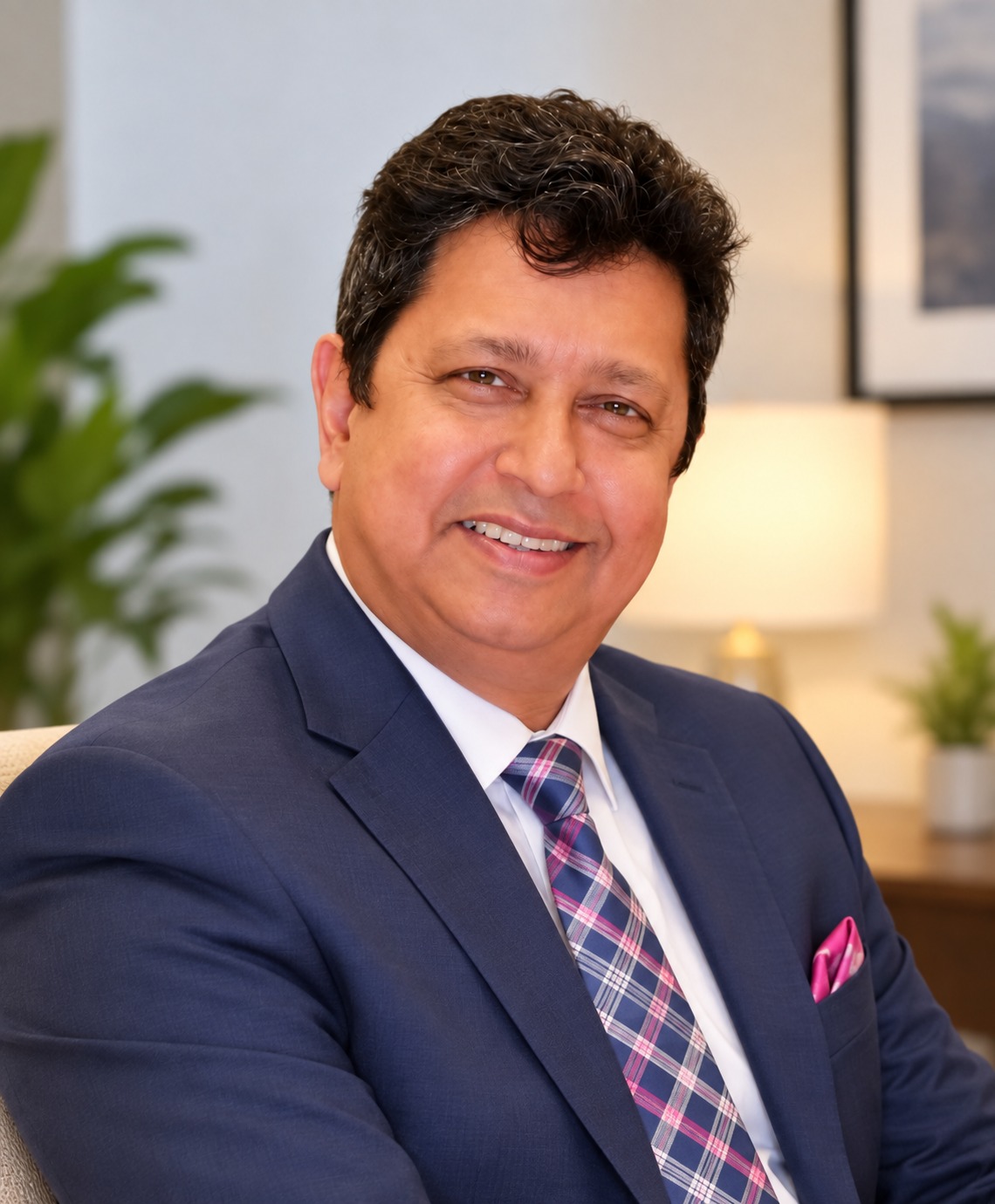
“Whether or not I earn your vote on November 3, my greatest hope is that District 3 turns out in record numbers. When residents actively participate, ask tough questions, and demand total accountability, our entire city of Chino becomes stronger, safer, and more resilient.”
M S Alam is running to ensure that every street corner, family park, and small business in District 3 receives attentive, proactive municipal leadership. His vision combines smart fiscal planning, neighborhood-level communication, and sustainable infrastructure stewardship.
STILL DECIDING? WE'RE HERE TO ANSWER YOUR QUESTIONS.
No campaign rhetoric. Just clear, honest dialogue about how city hall can better serve our neighborhood streets, parks, and families.
Official voter information provided in accordance with California Secretary of State & San Bernardino County Registrar of Voters guidelines. City of Chino District 3 Municipal Election date: November 3, 2026.